
What to Expect During Your First Visit to a Vein Specialist?
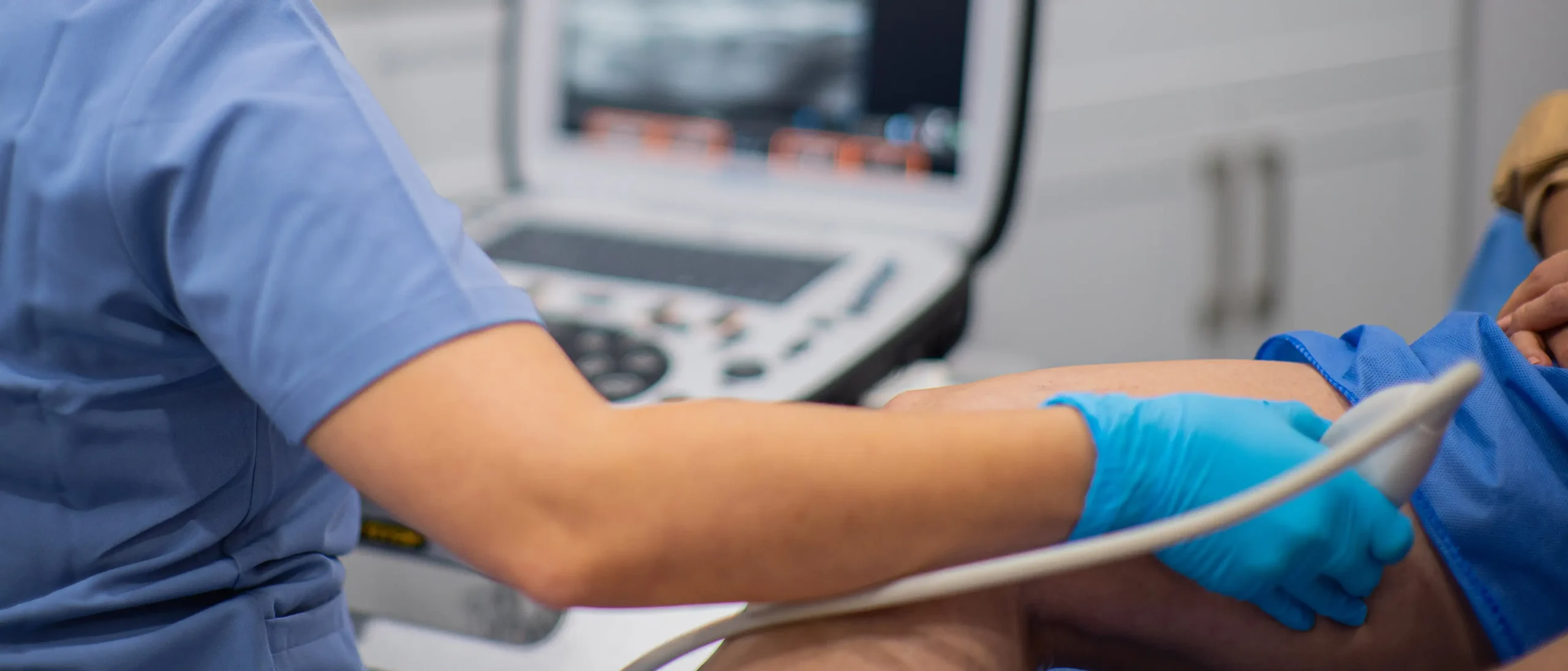
Visiting a vein specialist for the first time can feel overwhelming, especially if you’re unsure about what to expect. Understanding the process and knowing what questions to ask can make your visit more comfortable and productive. In this article, we will walk you through everything you need to know about your initial appointment at a vein treatment center and answer common questions like “What kind of doctor is a vein specialist?”
What Kind of Doctor is a Vein Specialist?
Many people are unfamiliar with the role of a vein specialist. A vein specialist is a medical professional trained to diagnose and treat vein-related issues, including varicose veins, spider veins, venous insufficiency, and other vascular conditions. These doctors often have specialized training in phlebology, vascular medicine, or interventional radiology.
A vein specialist can assess your vascular health, perform minimally invasive procedures, and guide you through lifestyle modifications that can improve circulation. In short, a vein specialist is your go-to expert for comprehensive vein care.
At Vein Treatment New Jersey, highly trained vein specialists use advanced diagnostic tools and personalized treatment plans to ensure the best results for each patient.
Preparing for Your First Visit
Before your appointment, it’s helpful to prepare a few things:
- Medical History: Document any prior vein treatments, surgeries, medications, and family history of vascular issues.
- Symptoms List: Note any swelling, heaviness, itching, or visible veins. Include when symptoms occur and whether they worsen with activity.
- Questions: Prepare questions about treatment options, expected recovery time, and lifestyle changes.
Arriving prepared will make your consultation smoother and help your vein specialist provide a more accurate diagnosis.
Initial Consultation and Physical Examination
Your first visit typically begins with a consultation where the vein specialist reviews your medical history and listens to your concerns. This step is crucial for understanding your symptoms and determining the severity of your condition.
During the physical examination, the doctor will inspect your legs or affected areas for visible veins, swelling, or skin changes. They may ask you to stand or move in certain positions to better evaluate vein function and circulation.
This hands-on approach allows the vein specialist to observe your condition directly and recommend appropriate diagnostic tests.
Diagnostic Tests You May Encounter
At a vein treatment center, several non-invasive tests help your doctor understand your vein health:
- Duplex Ultrasound: This test uses sound waves to create images of your veins and check blood flow. It helps identify blockages or reflux in the veins.
- Photoplethysmography (PPG): Measures blood flow in your legs and can detect venous insufficiency.
- Venography (Rarely): A specialized X-ray used in complex cases to see the veins more clearly.
Your vein specialist will recommend the most suitable diagnostic tests based on your symptoms and physical examination.
Discussing Treatment Options
Once your diagnosis is complete, your vein specialist will explain your treatment options. Treatment plans vary depending on the severity of the condition and your personal goals. Common treatments include:
- Sclerotherapy: Injection of a solution to close off spider veins or small varicose veins.
- Endovenous Laser Therapy (EVLT): Minimally invasive laser treatment to seal larger veins.
- Radiofrequency Ablation: Uses heat to close off damaged veins.
- Surgical Options: In severe cases, surgical vein stripping or ligation may be recommended.
Your doctor will explain the pros and cons of each method, recovery times, and expected results. At Vein Treatment New Jersey, treatments are tailored to the patient, ensuring both safety and effectiveness.
What to Expect During the Procedure
If your treatment is scheduled during your first visit or soon after, here’s what you can generally expect:
- Local Anesthesia: Most vein treatments are performed under local anesthesia, making the procedure virtually painless.
- Minimal Downtime: Many procedures are outpatient, allowing you to return home the same day.
- Immediate Instructions: The vein specialist will provide guidelines for post-procedure care, including compression stockings, activity restrictions, and follow-up appointments.
It’s normal to experience mild bruising, swelling, or tenderness after treatment, but these symptoms typically resolve within a few days to weeks.
Lifestyle Recommendations
A vein specialist may also provide lifestyle recommendations to improve vein health and prevent recurrence, including:
- Exercise: Regular walking or low-impact exercises to improve circulation.
- Weight Management: Maintaining a healthy weight reduces pressure on veins.
- Avoiding Prolonged Standing or Sitting: Take breaks to move and stretch throughout the day.
- Compression Therapy: Wearing compression stockings as recommended to support vein function.
These strategies complement medical treatments and enhance long-term results.
Follow-Up Appointments
After your first visit and any procedures, follow-up appointments are essential to monitor progress and ensure optimal outcomes. Your vein specialist may schedule an ultrasound or physical examination to assess treatment success and address any concerns.
Regular follow-ups also help catch new vein issues early, preventing complications like blood clots or chronic venous insufficiency.
Choosing the Right Vein Treatment Center
Selecting a reputable vein treatment center is crucial for your safety and satisfaction. Look for centers with:
- Experienced and board-certified vein specialists
- Advanced diagnostic and treatment technologies
- Personalized treatment plans and patient-focused care
- Positive patient reviews and testimonials
At Vein Treatment New Jersey, patients benefit from state-of-the-art facilities, a compassionate care team, and proven treatment outcomes. Whether you are seeking relief from varicose veins or preventative vein care, their specialists are equipped to provide comprehensive solutions.
Final Thoughts
Your first visit to a vein specialist is an important step toward healthier veins and improved quality of life. Understanding “What kind of doctor is a vein specialist?” and what to expect during your appointment can help you feel confident and prepared.
From the initial consultation and physical examination to diagnostic tests, treatment planning, and follow-up care, every aspect of your visit is designed to ensure your comfort and the best possible results.
If you are experiencing vein discomfort or visible veins, don’t wait to seek professional advice. Scheduling an appointment at a trusted vein treatment center like Vein Treatment New Jersey can help you take the first step toward lasting relief and healthier veins.