
How to Choose the Perfect Kitchen Interior Designer for Your Home
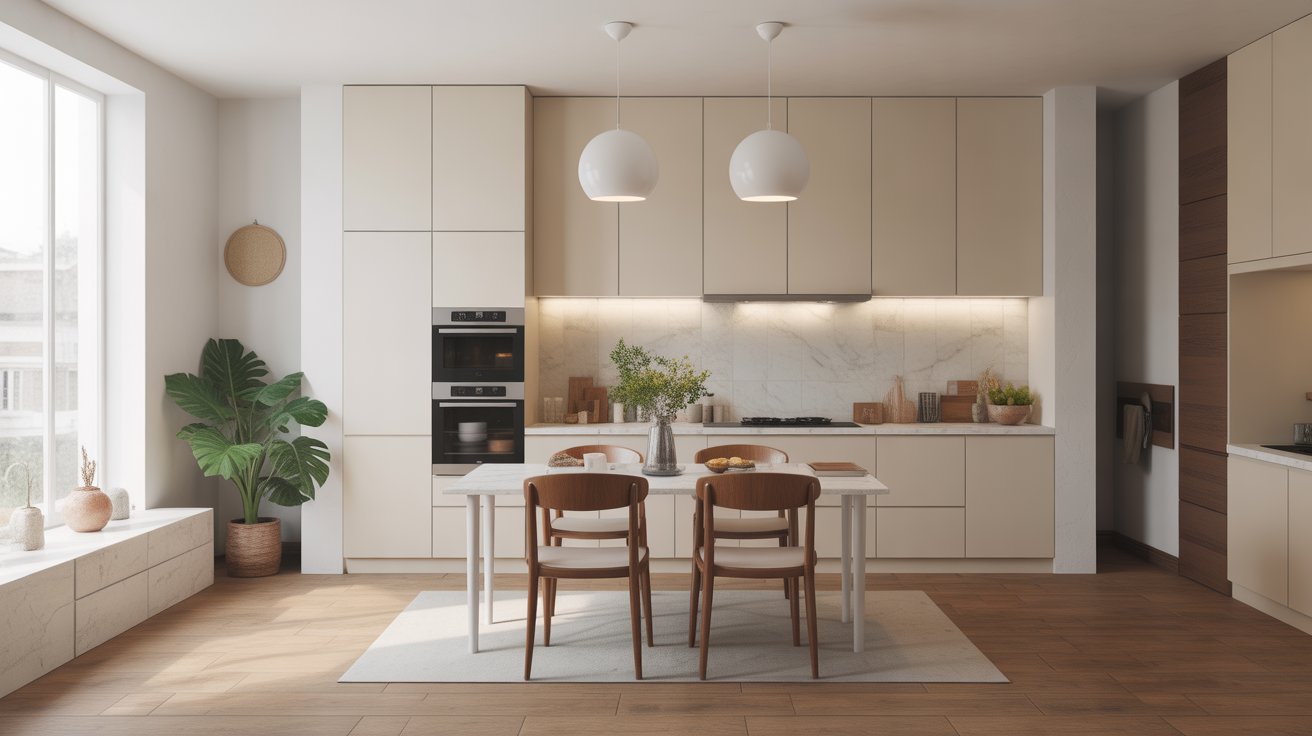
The kitchen has always been the heart of the home. It is where families gather, meals are prepared with love, and stories are shared over food. With modern homes evolving into more stylish and functional spaces, the importance of designing a kitchen that is both practical and aesthetically pleasing cannot be overlooked. Choosing the right kitchen interior designer is one of the most significant decisions you can make when planning to upgrade or build a new kitchen. A well-designed kitchen is not only a delight to work in but also adds tremendous value to your home.
This guide will walk you through the important factors to consider when selecting the perfect kitchen interior designer for your home. From understanding your requirements to evaluating expertise, the following insights will help you make an informed decision.
1. Understand Your Needs and Lifestyle
Every household uses the kitchen differently. Some people view it as a social hub where family and friends spend time, while others focus on efficiency and functionality for everyday cooking. Before you begin searching for a professional, spend some time identifying your requirements.
- Do you prefer a traditional kitchen layout, or are you leaning toward a modern, open-concept style?
- Will you need extra storage solutions for utensils, appliances, and pantry items?
- Is entertaining guests an important aspect of your lifestyle, requiring a spacious cooking and dining area?
The clearer you are about your goals, the easier it will be for the designer to translate them into a functional and visually appealing space.
2. Check Portfolios and Previous Work
An interior designer’s portfolio speaks volumes about their creativity, technical skills, and ability to customize designs. Look through their previous projects to see if their style resonates with your vision. Notice how they integrate different elements such as cabinetry, lighting, countertops, and flooring.
If you are considering kitchen interior designers in Kochi, pay special attention to how they blend modern features with the unique architecture and cultural aesthetics of the region. Many professionals in this area excel at combining contemporary functionality with traditional design influences, making kitchens practical while retaining charm.
3. Evaluate Expertise and Specialization
Not every interior designer specializes in kitchens. Since a kitchen involves a balance of technical and creative elements—plumbing, electrical points, ventilation, ergonomics, and aesthetics—it is essential to work with someone who understands these complexities.
Ask potential designers about their specific experience in kitchen projects. Have they worked with modular designs? Can they customize solutions for small spaces? Do they have expertise in sustainable materials or smart kitchen technology? These questions will help you gauge their depth of knowledge.
4. Assess Communication and Compatibility
Designing a kitchen is a collaborative process. You will need to share your ideas, preferences, and budget openly with your designer, and they should be able to communicate solutions clearly.
A good designer is not just a creative professional but also an excellent listener. During initial consultations, observe whether they pay attention to your requirements, provide practical suggestions, and respect your opinions. Compatibility is crucial because the design journey can take weeks or months, and mutual understanding will make the process smooth and enjoyable.
5. Focus on Functionality Along with Aesthetics
While style is important, a kitchen must first and foremost be functional. A professional designer will know how to balance aesthetics with practicality.
Consider factors like:
- Workflow between the stove, sink, and refrigerator (the kitchen work triangle).
- Adequate counter space for food preparation.
- Efficient lighting—task lighting for work areas and ambient lighting for atmosphere.
- Proper ventilation and chimney placement.
When reviewing options, notice if the designer is equally attentive to beauty and usability. A visually stunning kitchen is of little use if it doesn’t support your everyday needs.
6. Pay Attention to Material and Finish Selection
The materials chosen for cabinets, countertops, and flooring greatly impact durability and maintenance. For example, quartz countertops are low-maintenance and resistant to stains, while natural wood cabinets add warmth but require regular care.
If you consult the top interior designing company in Kochi, you will likely find professionals who offer a wide range of material choices suited for different budgets and preferences. Many companies also partner with trusted suppliers, ensuring that you get quality products at fair prices.
Always ask about the pros and cons of each material, and consider long-term maintenance costs before finalizing.
7. Set a Realistic Budget
Budgeting is one of the most crucial steps in the process. A well-planned budget will not only help you prioritize must-have features but also avoid overspending. Discuss your budget openly with your designer and ask them to provide detailed estimates.
An experienced professional will help you balance affordability with quality. For instance, they may suggest cost-effective alternatives to premium finishes without compromising durability. Transparency in pricing will also prevent last-minute surprises during execution.
8. Look for Customization and Innovation
Every home is unique, and a one-size-fits-all approach may not always work for your kitchen. Choose a designer who offers customization to fit your space, needs, and lifestyle.
Innovation is another factor worth considering. Many modern kitchens now integrate smart appliances, energy-efficient lighting, and space-saving solutions like pull-out cabinets and hidden storage. A designer who keeps up with the latest trends can ensure your kitchen is both stylish and future-ready.
9. Seek Reviews and Recommendations
Word of mouth remains one of the most reliable ways to evaluate a professional. Ask friends, family, or neighbors about their experiences with designers. Online reviews and testimonials can also give you insights into customer satisfaction.
When evaluating kitchen interior designers in Kochi, check for consistency in positive feedback, timely project completion, and after-service support. Reliable reviews provide confidence that you are entrusting your project to capable hands.
10. Ensure Project Management and Support
A kitchen project involves multiple stages—concept design, material procurement, construction, installation, and finishing. Coordinating all these tasks requires strong project management skills.
The top interior designing company in Kochi will usually have a dedicated team to oversee every stage, ensuring deadlines are met and quality standards are maintained. From dealing with contractors to supervising on-site work, comprehensive project management saves you stress and ensures a smooth experience.
Final Thoughts
Choosing the perfect kitchen interior designer for your home requires thoughtful consideration of your needs, budget, and expectations. A skilled professional can transform your ideas into a beautiful and functional space that enhances your daily life and adds long-term value to your property.
From evaluating portfolios and communication styles to considering materials and project management, every step plays a role in finding the right partner for your dream kitchen. Take your time, do your research, and prioritize compatibility to ensure that the final outcome is a space you love.
A kitchen is not just a cooking area—it’s the heart of your home. With the right designer by your side, you can create a kitchen that reflects your personality, supports your lifestyle, and stands the test of time.