
Can CRISPR Cells Be Used to Treat Genetic Disorders?
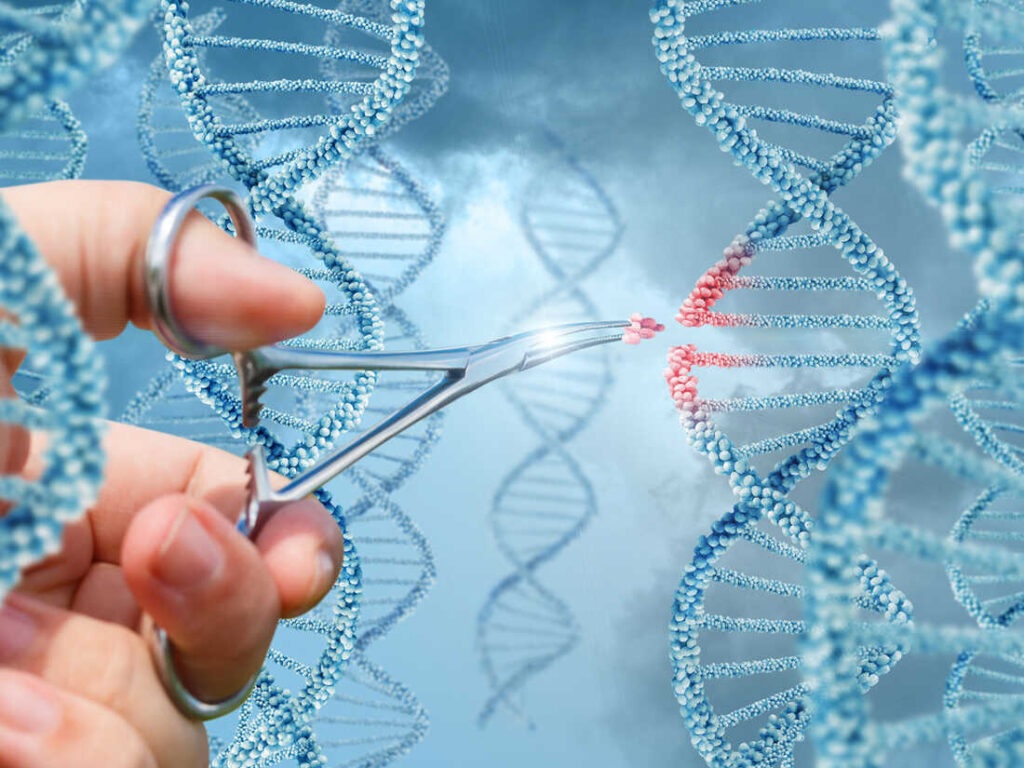
CRISPR cells represent a breakthrough in genetic science, offering unprecedented potential for treating genetic disorders. At its core, CRISPR is a gene-editing technology that allows scientists to precisely alter DNA sequences within cells. By using a specialized protein, Cas9, alongside a guide RNA, researchers can target specific genes responsible for genetic disorders and modify them with remarkable accuracy.
Unlike traditional treatments that only manage symptoms, CRISPR cell aim to address the root cause of genetic diseases. This capability makes them particularly promising for conditions that have long lacked effective therapies, such as sickle cell anemia, cystic fibrosis, and certain forms of muscular dystrophy.
How Can CRISPR Cells Help Treat Genetic Disorders?
CRISPR cells can correct faulty genes responsible for inherited diseases. For example, in sickle cell anemia, a single mutation in the hemoglobin gene causes red blood cells to become misshapen and inefficient. Researchers can extract a patient’s stem cells, use CRISPR to correct the defective gene, and reintroduce the healthy cells into the patient’s body. This process has already shown success in clinical trials, providing real hope for a permanent cure.
Moreover, CRISPR technology is not limited to rare diseases. It has the potential to treat common genetic conditions, such as hereditary blindness or certain types of cancer, by directly targeting the problematic genes at their source. This approach is revolutionary because it moves beyond symptom management, aiming for complete genetic correction.
What Are the Current Applications of CRISPR Cells in Medicine?
The medical applications of CRISPR cells are expanding rapidly. Euda Health, for instance, is at the forefront of research into using CRISPR-based therapies to treat complex genetic disorders. Clinical trials have demonstrated promising results in blood disorders like beta-thalassemia and sickle cell disease. Patients treated with CRISPR-edited cells have shown improved hemoglobin levels and a reduced need for transfusions.
Beyond blood disorders, researchers are exploring CRISPR cells for immune system disorders and metabolic diseases. By editing immune cells, it is possible to enhance the body’s natural ability to fight infections or cancer. This flexibility underscores the transformative potential of CRISPR technology in modern medicine.
Are CRISPR Cells Safe for Human Use?
Safety remains a critical consideration in using CRISPR cells to treat genetic disorders. While early clinical trials are promising, researchers carefully monitor patients for unintended effects, such as off-target edits—where CRISPR accidentally modifies the wrong gene. Long-term studies are necessary to ensure that edited cells do not trigger harmful consequences like cancer or immune reactions.
Euda Health emphasizes rigorous safety protocols in all CRISPR-related therapies. By combining advanced genetic screening with precise editing tools, they minimize risks while maximizing therapeutic potential. Patients considering CRISPR-based treatments are carefully evaluated to ensure that the benefits outweigh potential risks.
What Are the Ethical Considerations of Using CRISPR Cells?
The ability to edit human genes raises important ethical questions. CRISPR cells offer hope for curing genetic disorders, but they also spark debates about designer babies, genetic inequality, and unintended consequences for future generations. Ethical guidelines are essential to ensure that gene-editing technology is used responsibly.
Many researchers advocate limiting CRISPR applications to therapeutic uses, such as treating serious genetic disorders, rather than non-medical enhancements. Institutions like Euda Health support transparent research practices and public engagement to navigate these ethical challenges responsibly.
How Soon Can Patients Expect CRISPR Treatments?
While CRISPR cells hold immense promise, widespread availability will take time. Some treatments, particularly for blood disorders, are already in clinical trials and have received regulatory approval in certain regions. Broader applications for other genetic conditions may take several more years of research and testing to confirm safety and efficacy.
The timeline for treatment depends on factors like the type of genetic disorder, patient eligibility, and ongoing regulatory reviews. As research progresses, we can expect more patients to benefit from CRISPR-based therapies, potentially transforming the landscape of genetic medicine.
What Are the Advantages of Using CRISPR Cells Over Traditional Therapies?
CRISPR cells offer several advantages compared to conventional treatments:
- Precision: CRISPR allows exact targeting of disease-causing genes, reducing the likelihood of side effects.
- Permanence: Unlike medications that manage symptoms, CRISPR aims to correct the underlying genetic problem.
- Versatility: CRISPR can potentially treat a wide range of genetic disorders, including those previously considered untreatable.
- Reduced Burden: Successful CRISPR treatments could reduce the need for lifelong medication or repeated procedures, improving quality of life.
These benefits make CRISPR cells a revolutionary approach to healthcare, offering solutions that traditional therapies cannot match.
How Is Euda Health Pioneering CRISPR Research?
Euda Health is actively advancing CRISPR cell research, focusing on safe and effective treatments for genetic disorders. By integrating cutting-edge laboratory techniques with patient-centered care, Euda Health ensures that new therapies move from the lab to real-world application efficiently. Their research not only aims to correct genetic defects but also explores how CRISPR can enhance long-term health outcomes and prevent future genetic complications.
By investing in education, safety protocols, and clinical trials, Euda Health sets a standard for responsible innovation in gene editing. Patients and healthcare providers alike can look to Euda Health as a leader in translating CRISPR technology into practical, life-changing treatments.
What Are the Challenges of Using CRISPR Cells in Therapy?
Despite its potential, using CRISPR cells in therapy faces several challenges:
- Off-target effects: Even small errors in editing can have serious consequences.
- Delivery methods: Efficiently introducing CRISPR components into patient cells remains complex.
- Immune response: The body may reject edited cells or react negatively.
- Regulatory hurdles: Approvals require extensive testing to confirm safety and efficacy.
Researchers are actively addressing these challenges through advanced gene-editing techniques, precise delivery systems, and ongoing clinical monitoring. Overcoming these obstacles is critical to making CRISPR treatments accessible to more patients worldwide.
Can CRISPR Cells Transform the Future of Medicine?
CRISPR cells have the potential to revolutionize medicine by offering cures rather than temporary solutions. They represent a paradigm shift, moving from symptom management to direct genetic correction. For patients with previously untreatable conditions, this technology offers hope for a healthier, longer life.
With institutions like Euda Health leading research and clinical applications, the future of CRISPR therapy looks promising. As technology advances, we may see a world where genetic disorders are not only treatable but potentially preventable, improving the quality of life for millions of people.
Conclusion: CRISPR cells are more than a scientific curiosity—they are a beacon of hope for patients with genetic disorders. While challenges remain, the combination of precision, versatility, and potential permanence makes CRISPR an unparalleled tool in modern medicine. By supporting responsible research and development, organizations like Euda Health are bringing this revolutionary technology closer to reality, paving the way for a future where genetic disorders can truly be treated at their source.