Ceramic CNC Machining: Precision Solutions for Advanced Industries
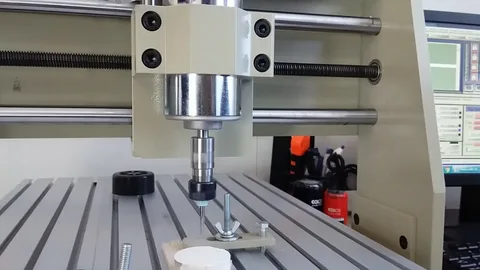
Ceramic materials are redefining how industries approach design and manufacturing. Known for their strength, thermal stability, and corrosion resistance, ceramics play a critical role in aerospace, defense, medical, and electronics sectors. However, the challenge lies in shaping these materials into usable, high-performance parts. Traditional methods often fail to provide the consistency and precision required. That’s where Ceramic CNC Machining delivers value, offering the advanced accuracy, repeatability, and customization necessary for today’s demanding applications.
This process integrates computer-controlled technology with specialized tools to produce intricate ceramic components that meet stringent tolerances. In the sections below, we’ll explore how ceramic CNC machining works, its applications across industries, the technology powering it, and the future it promises.
Understanding Ceramic CNC Machining
Why Ceramics Are Challenging to Machine
Ceramics differ significantly from metals or plastics. While they’re exceptionally hard and resistant to wear, they’re also brittle, which makes them prone to cracking under stress. Standard machining methods can cause fractures or dimensional inaccuracies. CNC machining addresses these issues by combining high-speed spindles, precision programming, and diamond-coated tooling.
Unique Advantages of Ceramic CNC Machining
- Micron-Level Accuracy: Produces highly complex geometries.
- Durability: Components maintain structural integrity under extreme conditions.
- Reduced Waste: Advanced programming ensures efficient material usage.
- Scalability: From single prototypes to full-scale production runs.
Key Applications Across Industries
Aerospace and Defense
In aerospace, weight reduction and heat resistance are critical. Ceramic turbine components, heat shields, and guidance systems depend on CNC machining for their accuracy. Defense applications include ceramic-based armor and advanced sensors that require intricate designs.
Medical and Dental Sectors
Biocompatibility makes ceramics ideal for medical applications. Dental crowns, implants, and prosthetics are customized through CNC machining for patient-specific requirements. Orthopedic components, such as hip joints, benefit from ceramics’ wear resistance and strength.
Electronics and Semiconductors
Ceramics’ insulating properties are essential for electronics. Substrates, circuit boards, and semiconductor components often require micro-machining for precise holes and channels. CNC machining ensures these parts meet exacting performance standards.
The Technology Driving Ceramic CNC Machining
Multi-Axis Machining Systems
While 3-axis machining is standard, ceramics often demand 5-axis machining systems. These allow for complex shapes with fewer setups, reducing errors and ensuring smooth surface finishes.
Tooling and Cooling Techniques
Specialized diamond-coated or cubic boron nitride (CBN) tools handle ceramics’ hardness. High-pressure air or liquid cooling systems minimize thermal stress, preventing cracking during operations.
Quality Assurance Methods
Industries that depend on ceramics cannot afford defects. Advanced CMM inspections, non-destructive testing, and laser scanning are employed to ensure every component meets specifications.
Real-World Industry Case Examples
- Electronics: Micro-electromechanical systems (MEMS) require holes as small as microns, achievable only through CNC machining.
- Automotive: Exhaust sensors and engine components withstand extreme heat thanks to precision ceramic machining.
- Energy: Ceramic parts in nuclear reactors and renewable energy systems improve performance and safety.
Challenges in Ceramic CNC Machining
While CNC machining offers many advantages, it comes with challenges:
- Tool Wear: Even with diamond-coated tools, wear rates are high.
- High Costs: Specialized tools and slow cutting speeds increase production costs.
- Material Brittleness: Requires expert programming to avoid fractures.
- Skill Requirements: Only highly trained machinists can operate CNC systems effectively for ceramics.
Future Trends in Ceramic CNC Machining
Integration with AI and Automation
Artificial intelligence is beginning to optimize tool paths, predict wear, and reduce downtime. This will make ceramic machining more efficient and cost-effective.
Hybrid Manufacturing
Combining CNC machining with additive manufacturing will allow complex ceramic parts to be built layer by layer, then finished with CNC precision.
Expansion in Green Energy
As renewable energy grows, ceramics will play a vital role in turbines, batteries, and fuel cells, driving demand for precision machining.
Why Choose MYT Machining
Not all machining providers have the expertise or equipment required to handle ceramics. MYT Machining stands out as a leader in delivering high-precision ceramic machining solutions across industries. With state-of-the-art technology, skilled professionals, and strict quality control, MYT ensures every part meets the highest standards. By choosing MYT, clients gain a reliable partner committed to innovation, accuracy, and long-term success.
Conclusion: The Future of Ceramic CNC Machining
Ceramics are essential to modern technology, but their full potential can only be realized through advanced machining. By leveraging Ceramic CNC Machining, companies gain access to components that are strong, precise, and tailored to complex applications. With industry leaders like MYT Machining at the forefront, the future of ceramic components is one of innovation, reliability, and transformative impact.
Frequently Asked Questions (FAQs)
1. Can ceramic CNC machining handle custom, small-scale projects?
Yes, CNC systems are adaptable for both prototypes and high-volume production.
2. How do manufacturers reduce the risk of cracks in ceramics?
By using optimized tool paths, high spindle speeds, and cooling systems.
3. Is ceramic CNC machining environmentally friendly?
While energy-intensive, it minimizes waste through efficient material use and precision programming.
4. What’s the difference between machining ceramics vs. metals?
Ceramics require diamond-coated tools, slower cutting speeds, and more careful thermal management.
5. Why partner with MYT Machining?
Their proven expertise, advanced equipment, and commitment to quality make them a top choice for industries worldwide.